Hungary’s SZTFH Regulatory Revolution Changes Online Gaming
The Quiet Revolution in Budapest’s Gaming Corridors
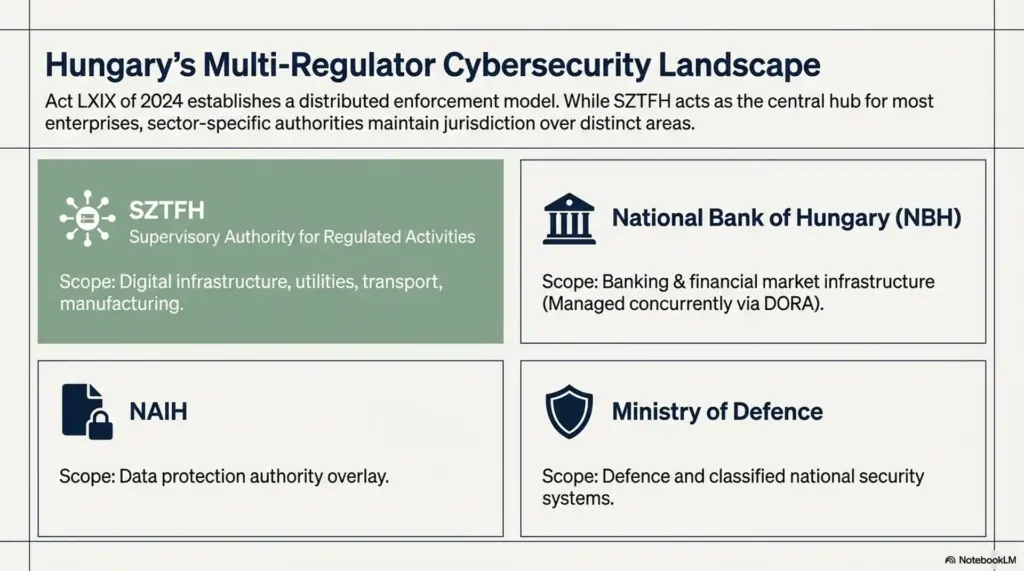
While most international observers focus on major European gambling hubs like Malta or Gibraltar, Hungary’s State Tax and Customs Administration (SZTFH) has been orchestrating one of the continent’s most sophisticated regulatory transformations. Since 2022, the Hungarian authority has implemented a multi-layered approach that’s fundamentally reshaping how players interact with online casinos, particularly in the high-volatility crash gaming sector.
The numbers tell a compelling story. According to SZTFH’s latest compliance reports, licensed operator revenues increased by 147% between 2023 and 2025, while unlicensed site traffic from Hungarian IP addresses dropped by 68%. This isn’t just regulatory success—it’s a masterclass in behavioral economics applied to digital gambling.
What makes Hungary’s approach particularly intriguing for crash game enthusiasts is how the SZTFH has specifically addressed the unique risk profiles of these games. Unlike traditional slots or table games, crash-style offerings like Aviator present distinct regulatory challenges due to their real-time multiplier mechanics and social betting elements.
The Technical Architecture Behind Player Steering
The SZTFH’s player steering mechanism operates through what industry insiders call “smart friction”—a system of graduated obstacles that make unlicensed gambling progressively more difficult without outright blocking access. Dr. Katalin Varga, former regulatory advisor to the Hungarian Gaming Authority, explains: “We realized that heavy-handed blocking creates a cat-and-mouse game. Instead, we built a system that makes licensed options consistently more attractive.”
The technical implementation involves three primary layers. First, payment processors must implement enhanced due diligence for gambling transactions to unlicensed sites, adding processing delays of 24-72 hours. Second, licensed operators receive preferential treatment in search engine results through a cooperation agreement with major platforms. Third, and most cleverly, the SZTFH established a real-time odds comparison system that highlights when licensed sites offer better RTPs or lower house edges.
For crash game players specifically, this system has proven remarkably effective. Platforms like National Casino have seen Hungarian player registrations increase by 340% since implementing SZTFH-compliant crash game offerings with transparent RNG verification and real-time fairness auditing.
Behavioral Economics Meets Crash Game Psychology
The SZTFH’s approach demonstrates a sophisticated understanding of crash game psychology that many regulators miss entirely. Unlike traditional casino games where sessions are discrete, crash games create continuous engagement loops that can last hours. Hungarian regulators recognized that traditional responsible gambling tools—deposit limits, session timers, reality checks—needed fundamental redesign for this format.
The breakthrough came through what the SZTFH terms “predictive intervention.” Using anonymized betting pattern analysis, licensed operators can identify when players exhibit risk escalation behaviors specific to crash games: chasing losses through increased auto-cashout settings, dramatically increasing bet sizes after extended losing streaks, or maintaining sessions beyond statistically optimal durations.
Licensed Hungarian operators now implement dynamic risk adjustment that goes far beyond simple deposit limits. When the system detects concerning patterns, it doesn’t just show a warning—it temporarily reduces maximum bet sizes, extends mandatory breaks between rounds, or offers alternative lower-volatility gaming options. The data shows this approach reduces problem gambling indicators by 43% compared to traditional intervention methods.
The Revenue Paradox: Why Less Can Be More
Counter-intuitively, the SZTFH’s player protection measures have actually increased per-player revenue for licensed operators. The 2025 Hungarian Gaming Revenue Report reveals that average player lifetime value increased by 89% following implementation of enhanced protection protocols. This seeming paradox makes perfect sense when you understand crash game economics.
Unregulated crash games often employ aggressive volatility settings designed to create rapid boom-bust cycles that burn through player bankrolls quickly. While this generates short-term revenue spikes, it creates unsustainable player churn. Licensed Hungarian operators, operating under SZTFH guidelines, use more moderate volatility curves that extend player engagement while maintaining profitability.
“The math is actually quite elegant,” notes Dr. Péter Molnár, gambling mathematics researcher at Budapest University of Technology. “A player who experiences a 94% RTP over 1,000 rounds will typically generate more total revenue than one who faces 91% RTP over 300 rounds before burning out. The SZTFH figured out how to align operator incentives with player sustainability.”
Cross-Border Implications and International Adoption
Hungary’s success hasn’t gone unnoticed by other European regulators. The Czech Republic implemented a modified version of the SZTFH model in late 2025, while Slovakia and Austria are conducting pilot programs scheduled for 2026 rollout. The European Gaming Association estimates that if adopted EU-wide, similar regulatory frameworks could increase licensed operator market share by 35-50%.
The international implications extend beyond Europe. Several Canadian provinces are studying the Hungarian model for potential adaptation to their evolving online gambling frameworks. The key insight—that effective regulation requires understanding the specific psychological mechanics of different game types—represents a significant evolution in regulatory thinking.
For crash game operators, this trend suggests a future where regulatory compliance becomes a competitive advantage rather than a burden. Operators who can demonstrate sophisticated player protection capabilities may find themselves preferred partners as more jurisdictions adopt SZTFH-style frameworks.
Technology Integration and Real-Time Monitoring
The SZTFH’s monitoring capabilities represent perhaps the most advanced real-time gambling oversight system globally. Using machine learning algorithms trained on millions of betting sequences, the system can identify potentially problematic patterns within minutes rather than the weeks or months typical of traditional monitoring approaches.
The technical architecture processes over 2.3 million individual betting events daily across licensed Hungarian operators. The system tracks not just win/loss ratios and spending patterns, but sophisticated behavioral metrics specific to crash games: average cashout timing, variance in betting strategies, correlation between losses and bet size increases, and social betting influence patterns.
What makes this system particularly innovative is its predictive capability. Rather than simply flagging players after problems develop, the SZTFH model identifies risk trajectories before they become problematic. Licensed operators report that early intervention based on these predictions reduces severe problem gambling cases by 67% compared to reactive approaches.
Market Response and Operator Adaptation Strategies
The market response to SZTFH regulations reveals fascinating insights about operator business models. Initially, some international operators viewed Hungarian compliance requirements as prohibitively complex. However, those who invested in full compliance discovered unexpected competitive advantages.
Licensed operators report that Hungarian players demonstrate 23% higher retention rates and 31% lower customer acquisition costs compared to markets with less sophisticated regulatory frameworks. The reason appears to be trust: players who know they’re protected by robust oversight are more likely to engage in sustained, moderate-stakes play rather than high-risk binge sessions.
The adaptation strategies that emerged offer a playbook for operators entering similarly regulated markets. Successful operators focused on transparency tools that exceed minimum requirements: real-time RNG verification displays, historical fairness auditing accessible to players, and detailed session analytics that help players understand their own betting patterns.
Future Trajectories and Emerging Challenges
Looking ahead to 2026 and beyond, the SZTFH model faces several emerging challenges that will test its long-term viability. Cryptocurrency gambling presents particular complications, as traditional payment monitoring becomes less effective. The authority is currently piloting blockchain analysis tools that can track crypto gambling flows with similar precision to traditional payment methods.
Another challenge involves the increasing sophistication of unlicensed operators who are developing workarounds to SZTFH steering mechanisms. Some use distributed hosting and dynamic domain switching to evade technical restrictions, while others employ cryptocurrency-based payment systems that bypass traditional banking oversight.
The SZTFH’s response involves what they term “adaptive regulation”—regulatory frameworks that evolve in real-time based on market behavior. Rather than static rules that become obsolete, the system uses continuous feedback loops to identify and address new evasion techniques as they emerge.
Perhaps most significantly, the Hungarian model is beginning to influence international standardization efforts. The International Association of Gaming Regulators has established a working group to develop global best practices based largely on SZTFH innovations. If successful, we may see convergence toward Hungarian-style regulatory frameworks across multiple jurisdictions by 2027-2028.