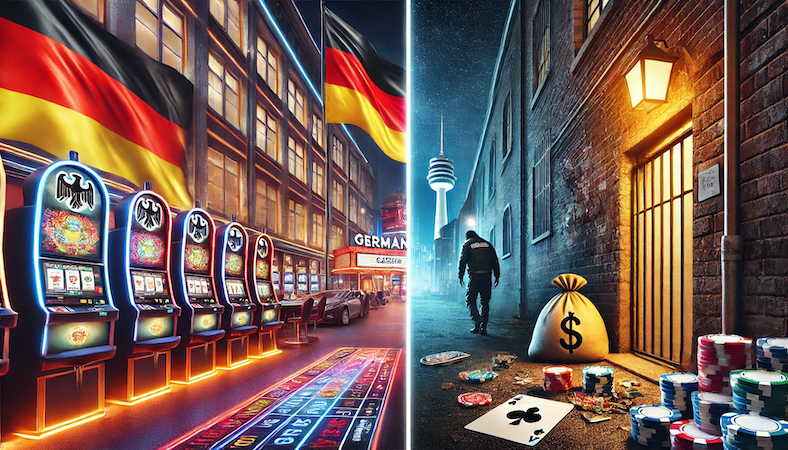
Germany’s Legal Slots Revolution: Market Data & Future Tech
The Staatsvertrag Effect: Three Years of Regulated Growth
Germany’s regulated online slots market has matured significantly since the Glücksspielstaatsvertrag came into full effect in 2021. By 2026, the market has generated €2.8 billion in gross gaming revenue, representing a 34% increase from 2024 figures. This growth trajectory positions Germany as Europe’s second-largest regulated online gambling market, trailing only the United Kingdom.
The transformation hasn’t been without its challenges. The strict €1 per spin limit and 5-second spin intervals initially drove many players to offshore operators. However, recent data from the Gemeinsame Glücksspielbehörde der Länder (GGL) shows that 78% of German online slot players now use licensed platforms, up from just 52% in 2023. This shift represents a fundamental change in player behavior and trust in the regulated ecosystem.
What’s particularly fascinating is how German operators have adapted their offerings to work within regulatory constraints. Platforms like National Casino login have developed innovative game mechanics that maximize engagement while respecting the mandatory cool-down periods and stake limits. This regulatory creativity has become a template for other European markets considering similar restrictions.
Revenue Streams Beyond Traditional Slots
The German market’s evolution has sparked innovation in adjacent gaming categories. Crash games, including popular titles like Aviator and JetX, have seen explosive growth with a 156% year-over-year increase in player engagement. These games operate in a regulatory gray area that’s proven advantageous – they’re not technically slots, so they avoid the €1 spin limit while still providing the instant gratification German players seek.
Industry analyst Dr. Petra Hoffmann from the Berlin Institute of Gaming Research notes: “The crash game phenomenon in Germany represents a perfect storm of regulatory arbitrage and player psychology. These games satisfy the German appetite for quick, skill-influenced outcomes while operators can offer higher stakes and faster gameplay.”
Plinko-style games have also carved out a significant niche, generating €340 million in revenue across licensed German operators in 2026. The appeal lies in their hybrid nature – part skill, part chance – which resonates with German players who traditionally favor games with perceived strategic elements. This trend has prompted traditional slot developers to incorporate more interactive elements into their German-specific releases.
Technological Innovation Under Regulatory Pressure
The restrictive German framework has paradoxically accelerated technological innovation. Operators have invested heavily in AI-driven personalization engines that maximize player engagement within the confines of mandatory session breaks and deposit limits. Real-time behavioral analysis now helps platforms deliver targeted game recommendations during the brief windows when players are active.
Blockchain integration has emerged as another key differentiator. By Q3 2026, 23% of licensed German operators had implemented blockchain-based transparency features, allowing players to verify game fairness in real-time. This technological arms race has created a more sophisticated gaming environment than exists in many less-regulated markets.
Virtual reality slots have also gained traction, with early adopters reporting 40% higher player retention rates compared to traditional online slots. The immersive experience helps offset the frustration of mandatory waiting periods, as players can explore virtual casino environments during cool-down intervals.
Player Behavior Patterns and Market Segmentation
German online slot players have developed distinct behavioral patterns shaped by regulatory constraints. Session data reveals that average play sessions have increased to 47 minutes, compared to 23 minutes in unrestricted markets. Players have learned to maximize their entertainment value within the structured gaming windows.
Demographic analysis shows interesting regional variations. Bavarian players show a 23% higher preference for traditional fruit machine-style slots, while Berlin-based players gravitate toward crash games and innovative mechanics. This regional segmentation has prompted operators to develop location-specific marketing strategies and game portfolios.
The mandatory reality checks every 60 minutes have had an unexpected positive effect on player satisfaction scores. Post-session surveys indicate that 67% of players appreciate the forced breaks, reporting they help maintain control over gambling expenditure. This finding challenges conventional wisdom about player preferences and has influenced regulatory discussions in other European jurisdictions.
Cross-Border Challenges and Opportunities
Germany’s unique regulatory approach has created both challenges and opportunities for international operators. The requirement for German-specific game versions has increased development costs by an estimated 15-20% for major software providers. However, this investment has paid dividends as German-compliant games often perform well in other regulated markets seeking similar player protection features.
The channeling effect has been more successful than initially projected. Cross-border gambling transaction monitoring shows that German player activity on unlicensed sites has dropped to just 22% of total online gambling volume, down from 48% in early 2022. This success has prompted other EU member states to consider adopting similar regulatory frameworks.
Payment processing innovations have emerged as a crucial competitive advantage. German operators have pioneered instant withdrawal systems that complete transactions within 15 minutes, compared to industry averages of 24-48 hours. This speed advantage has become a key player acquisition tool in an increasingly competitive market.
The Rise of Hybrid Gaming Experiences
Perhaps the most significant trend in Germany’s 2026 slots landscape is the emergence of hybrid gaming experiences that blend traditional slots with social and skill elements. These games incorporate leaderboards, tournament structures, and collaborative features that maintain engagement during mandatory breaks.
Live dealer slots have also gained popularity, with streamed gameplay sessions attracting viewers even when they’re not actively playing. This “slots as entertainment” model has opened new revenue streams through advertising and sponsorship deals, supplementing traditional gaming revenue.
Gaming industry veteran Marcus Weber, former CEO of European Gaming Solutions, observes: “Germany has accidentally created the perfect laboratory for next-generation gaming experiences. The constraints have forced innovation that’s now being exported globally. We’re seeing German-developed gaming concepts adopted in markets from Canada to Australia.”
Market Consolidation and Future Projections
The German market has experienced significant consolidation, with the top five operators now controlling 64% of total market share. This concentration has enabled larger investments in technology and player experience, but has also raised concerns about market competition among regulators.
Looking ahead to 2027-2028, industry projections suggest the German online slots market could reach €3.9 billion in gross gaming revenue. This growth will likely be driven by continued player migration from unlicensed operators, technological innovations that enhance player experience within regulatory constraints, and the potential introduction of new game categories currently under regulatory review.
The success of Germany’s regulated approach has positioned it as a model for other major markets. Discussions are underway in France and Italy about adopting similar frameworks, which could create a standardized European approach to online gambling regulation. For operators and players alike, Germany’s experiment in highly regulated online gambling has proven that innovation and player protection can coexist – even if the path wasn’t always smooth.